

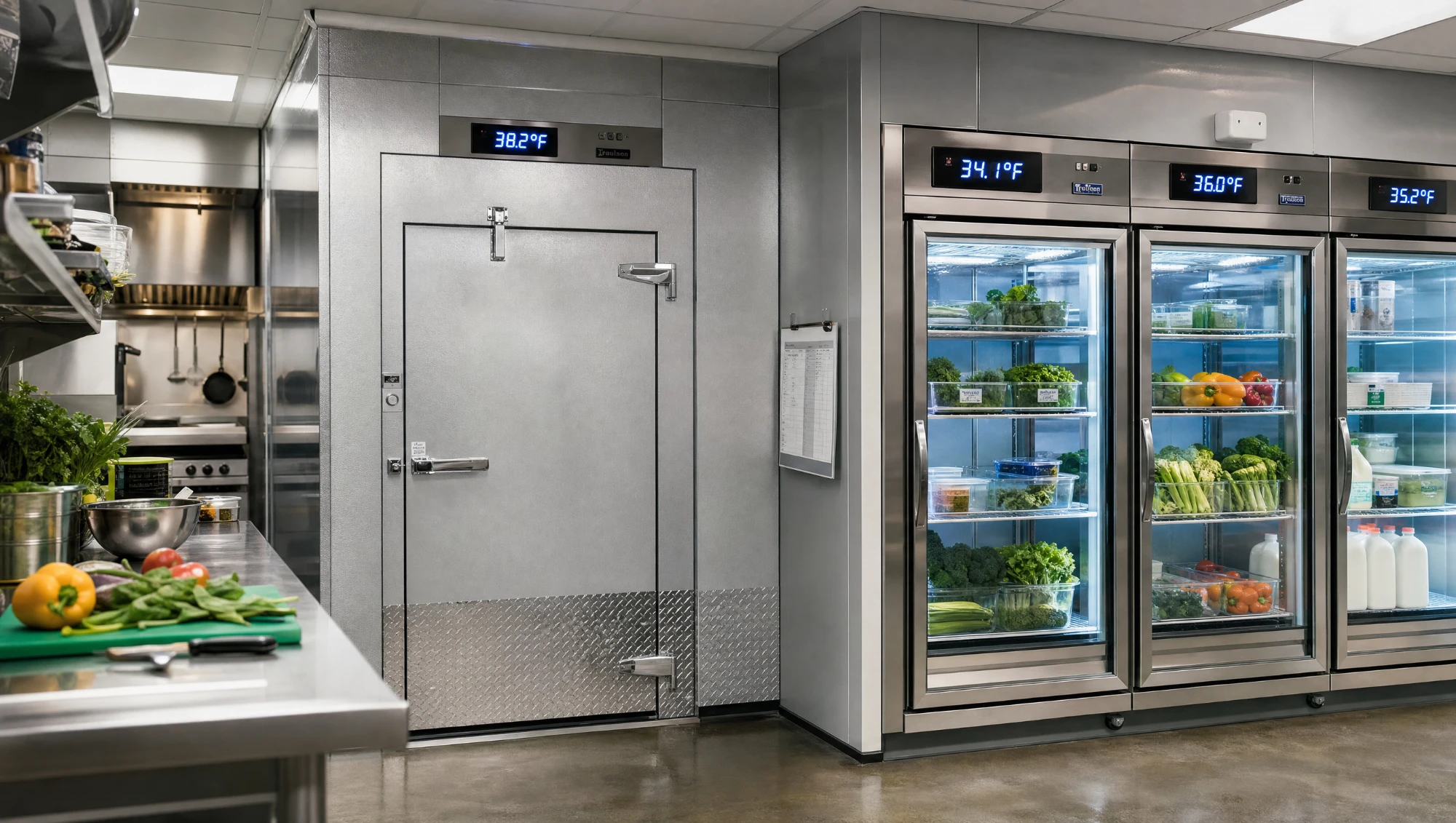


For a restaurant, refrigeration is not a convenience, it is inventory protection, food safety, and revenue all at once. A walk-in cooler or freezer that drifts a few degrees overnight can turn a full inventory order into a loss before the morning shift even opens the doors. For operators across Waco and Central Texas running one location or several, commercial refrigeration reliability deserves the same attention as the kitchen equipment that gets used every single shift, since it rarely gets noticed until the moment it fails. Ovens and fryers get watched closely because a problem is obvious the moment it happens, but a cooler drifting a few degrees warmer can go unnoticed for hours, which is exactly what makes it worth planning for ahead of time.
What Makes Commercial Refrigeration Different From a Home Unit
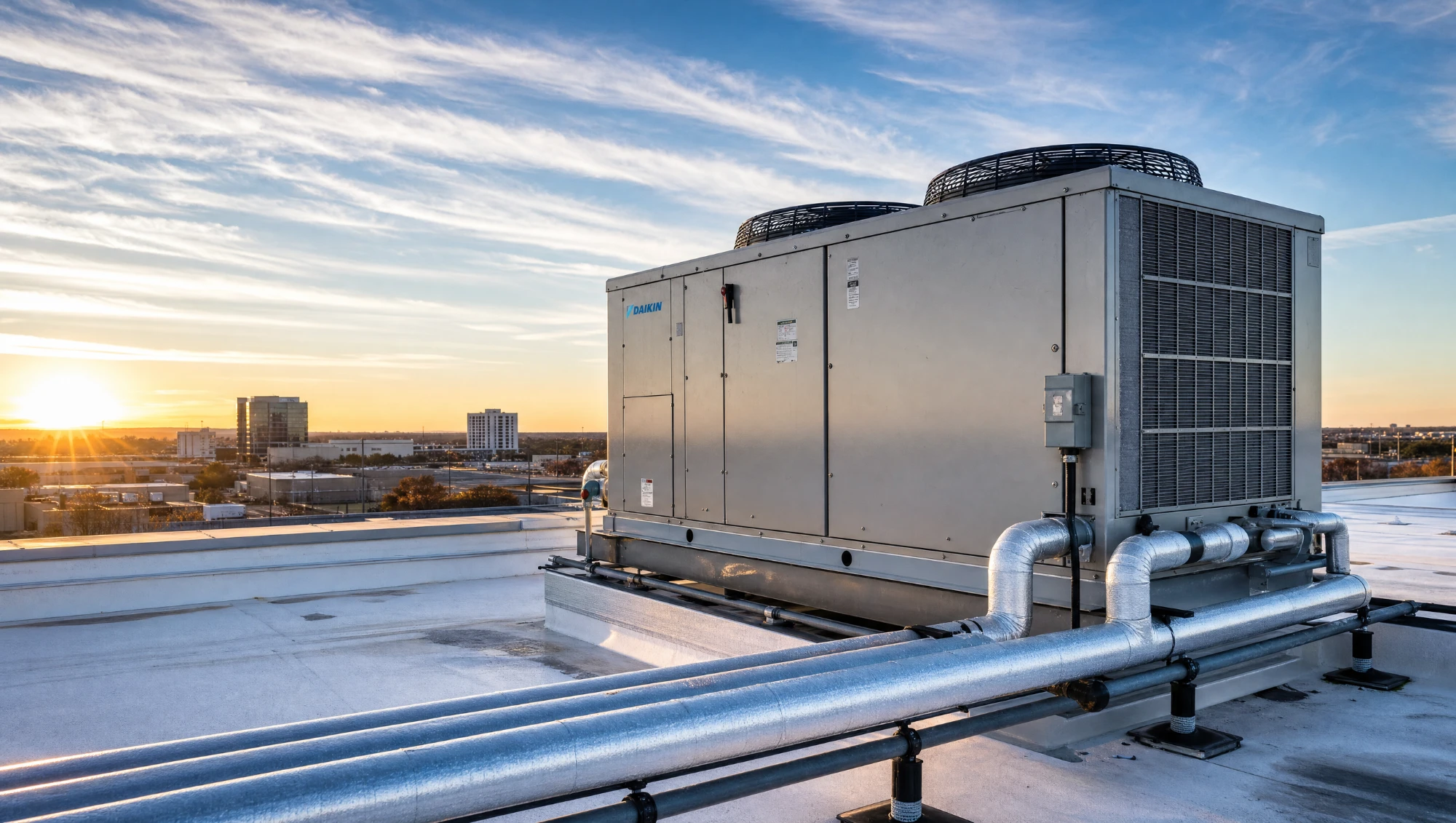
A commercial walk-in cooler or reach-in freezer works under conditions a household refrigerator was never built for. Doors open dozens of times an hour during a rush, condenser coils collect grease and dust faster in a kitchen environment, and the unit often runs continuously for years without a true shutdown. These systems also tend to carry higher stakes, since a single walk-in can hold thousands of dollars of inventory at once. The compressors, condensers, and evaporator coils involved are also sized differently than anything in a household appliance, which means the diagnostic approach, the parts, and the expected service life are all different too. Understanding that commercial refrigeration has its own wear patterns, duty cycle, and failure points, separate from anything found in a home kitchen, is the foundation for keeping it reliable.
The Real Cost of a Refrigeration Failure
When a commercial unit fails, the cost rarely stops at the repair bill. There is the spoiled inventory itself, the lost revenue from menu items that cannot be served until the walk-in is restocked, the labor spent moving product to a backup unit or another location, and in some cases the health department paperwork that follows a temperature excursion. For a multi-location operator, one failed unit can also disrupt the supply chain for other sites if product gets rerouted to cover the gap, since a sister location may need to absorb orders it was not prepared to handle. None of these costs show up on an equipment invoice, but they are often larger than the invoice itself, which is exactly why reliability planning tends to pay for itself quickly, often within the first incident it prevents.
Warning Signs Worth Acting on Before a Breakdown
Most refrigeration failures do not happen without warning, they happen after a series of smaller signs that got overlooked during a busy week. A unit that runs longer than it used to, condensation building up where it has not before, ice forming unevenly in a freezer, or a slight rise in product temperature on a routine check are all signals worth acting on right away rather than waiting to see if they resolve on their own. Training kitchen staff to flag these changes, and having a maintenance partner who can respond quickly when they do, turns a potential multi-day shutdown into a same-day fix.
Building a Maintenance Routine That Fits a Working Kitchen
A refrigeration maintenance routine only works if it fits around a kitchen that cannot simply close for the afternoon. Coil cleaning, door seal checks, drain line clearing, and refrigerant level checks can usually be scheduled around slower hours rather than peak service, which keeps the kitchen running while the equipment gets the attention it needs. A worn door gasket is a good example of a small, inexpensive fix that gets put off because it does not seem urgent, even though a poorly sealed door forces a compressor to run far more than it should and shortens its life in the process. Documenting each visit also builds a service history for every unit, so a pattern, such as a compressor that keeps needing attention, gets caught and addressed before it becomes a full failure instead of after. For operators managing multiple sites, that documentation makes it far easier to compare equipment condition across locations and plan replacements before a breakdown forces the decision, and it gives a regional manager one clear record to review instead of a handful of location-by-location guesses.
Why a Fast, Documented Response Matters When Something Fails
Even a well maintained unit can fail, often at the worst possible time during a dinner rush or right before a weekend. What matters most at that point is how quickly a qualified technician can get on site, and whether that technician has access to the unit's service history to diagnose the problem faster instead of starting from scratch. A maintenance partner with emergency response and clear documentation practices can often mean the difference between losing a few hours of product and losing an entire walk-in's worth of inventory. For restaurant operators, that kind of responsiveness is not a luxury, it is part of running a kitchen that customers and health inspectors can both count on, and it is worth confirming before an emergency happens rather than during one.
Refrigeration reliability is not something most restaurant operators think about until it becomes a problem, but a little planning now can prevent a costly one later. TexTech Services supports restaurant and food service operators across Waco and Central Texas with the commercial refrigeration maintenance and emergency repair that keeps coolers and freezers running the way a working kitchen needs them to, and the team is ready to help whenever you reach out through TexTech Services.
